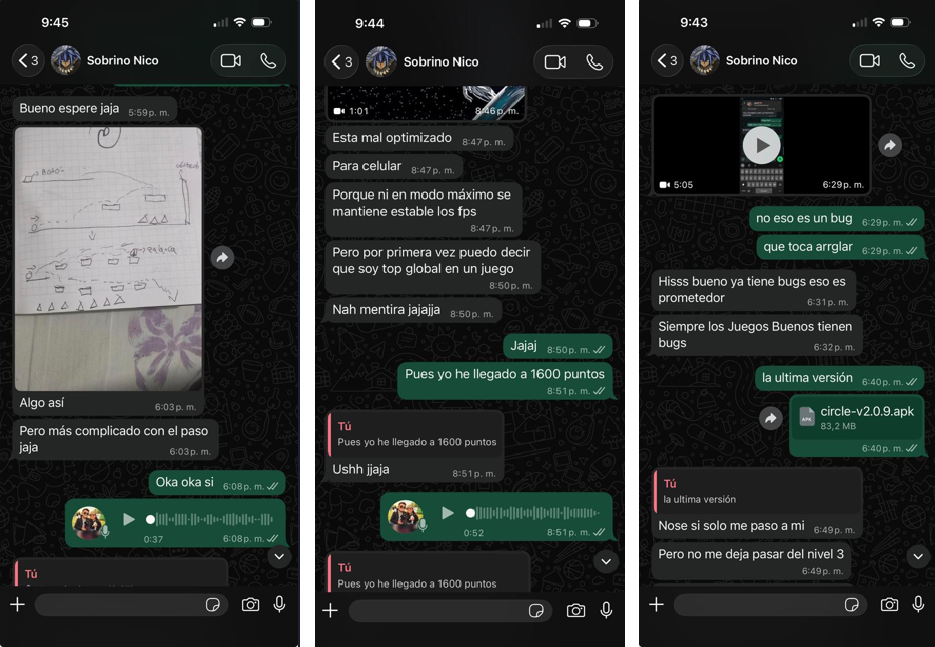
Como desarrollador web, mi mundo siempre ha sido el de los CMS, ERPs y SaaS. Los videojuegos siempre los vi como algo ajeno, un terreno complejo lleno de motores pesados como Unity o Unreal que nunca quise tocar. Pero, ¿qué pasa cuando la curiosidad de un sobrino y las herramientas de IA actuales se cruzan en un chat de WhatsApp?
Una promesa y un chat de WhatsApp.
Mi sobrino siempre me preguntaba: “¿Cuándo vas a sacar tu propio juego?”. Entre mis responsabilidades de hogar y trabajo, el tiempo era nuestro mayor enemigo. No podíamos reunirnos físicamente, pero sí podíamos chatear. Así nació CIRCLE: un proyecto construido en los ratos libres, entre mensajes de voz y fragmentos de código.
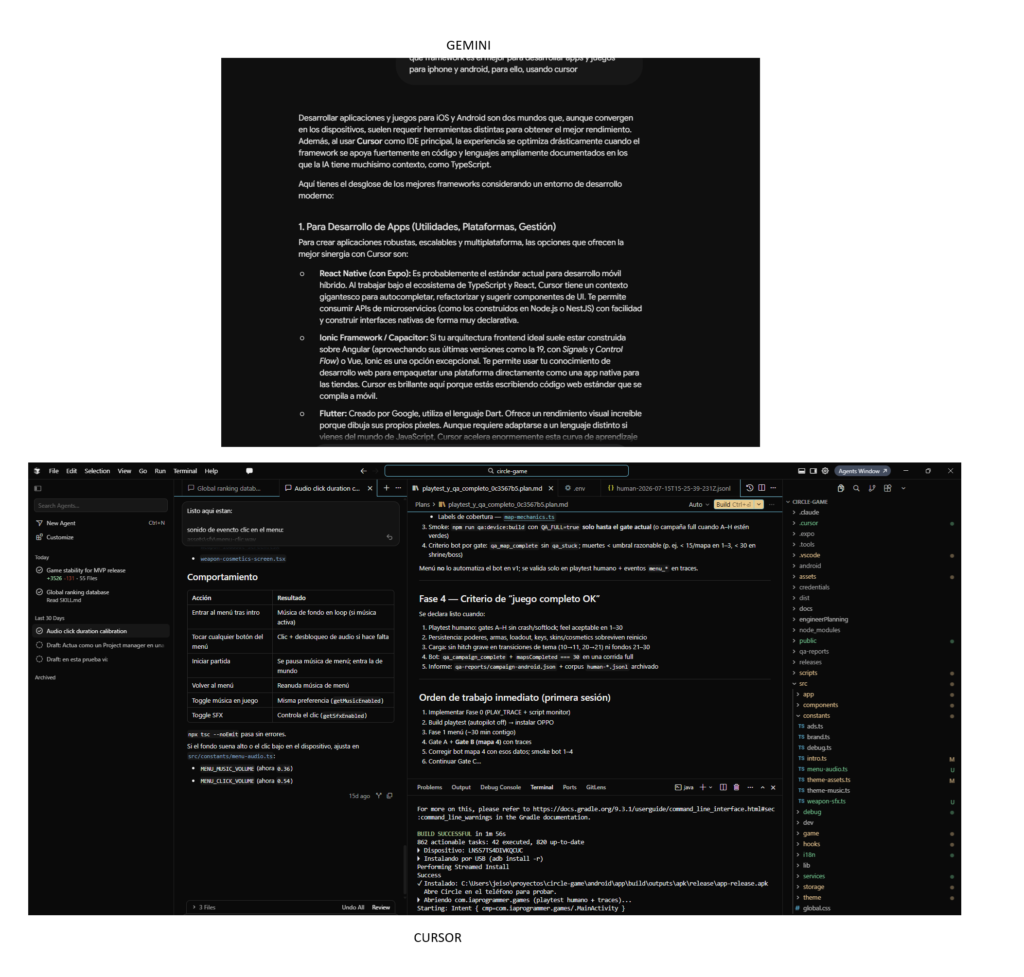
Mi stack: Vibe Coding con IA
No busqué ser un experto en GameDev, busqué ser un Project Manager de mi propio código. Utilicé Gemini para asesorarme en arquitectura y decisiones técnicas, y Cursor para “vibe codear” toda la lógica en React Native. Fue una experiencia fascinante: yo definía la estrategia y la IA ejecutaba, mientras yo supervisaba la calidad y la estructura.
De lo local a lo global
La magia de Firebase Al principio, el juego iba a ser un simple pasatiempo local. Pero cuando escuché a mi sobrino decir: “Por fin seré un top global”, entendí que la competencia era el alma del proyecto.
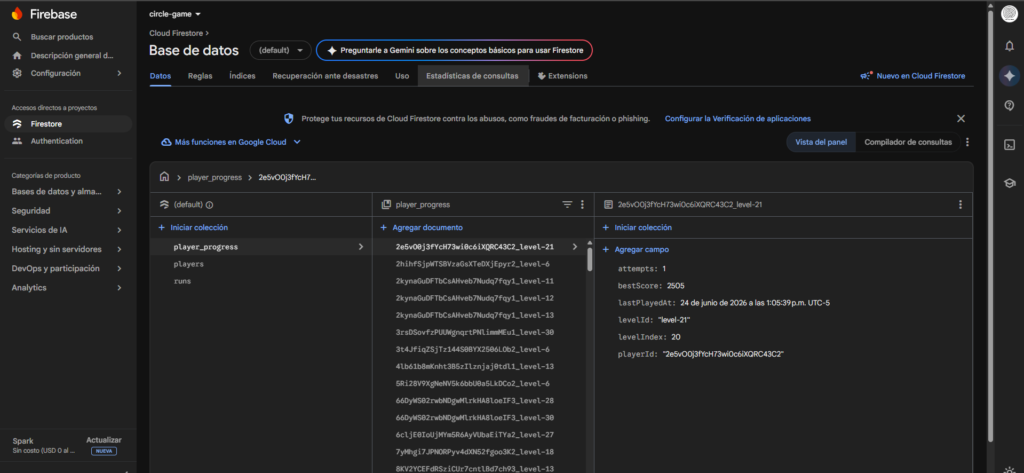
Para que el ranking fuera real, integré Cloud Firestore en su plan gratuito. Ahora, cada partida se guarda en la nube, permitiendo una experiencia global, en tiempo real y sin servidor propio. Usamos autenticación anónima para que nadie pierda tiempo registrándose.
¿El resultado? Aún estamos puliendo detalles, pero el juego ya es funcional y divertido. Ha sido una lección de que hoy, con las herramientas correctas, la barrera entre “ser desarrollador de apps” y “crear un juego” es más delgada que nunca.
¿Quieres probarlo? Aquí te dejo el APK para que seas de los primeros en probar CIRCLE. ¡Espero tus comentarios antes de lanzarlo oficialmente a la Play Store!